Appendicitis Symptoms, Prevention, and Emergency Room (ER) Treatment
What is Appendicitis?
Appendicitis is a serious medical emergency that occurs when the appendix—a small, finger-shaped pouch attached to the large intestine—becomes inflamed and infected. The condition typically develops when the appendix becomes blocked, allowing bacteria to multiply and leading to swelling, inflammation, and severe abdominal pain.
Without prompt treatment, the inflamed appendix can rupture, releasing infectious material into the abdominal cavity and potentially leading to life-threatening complications, including widespread infection.
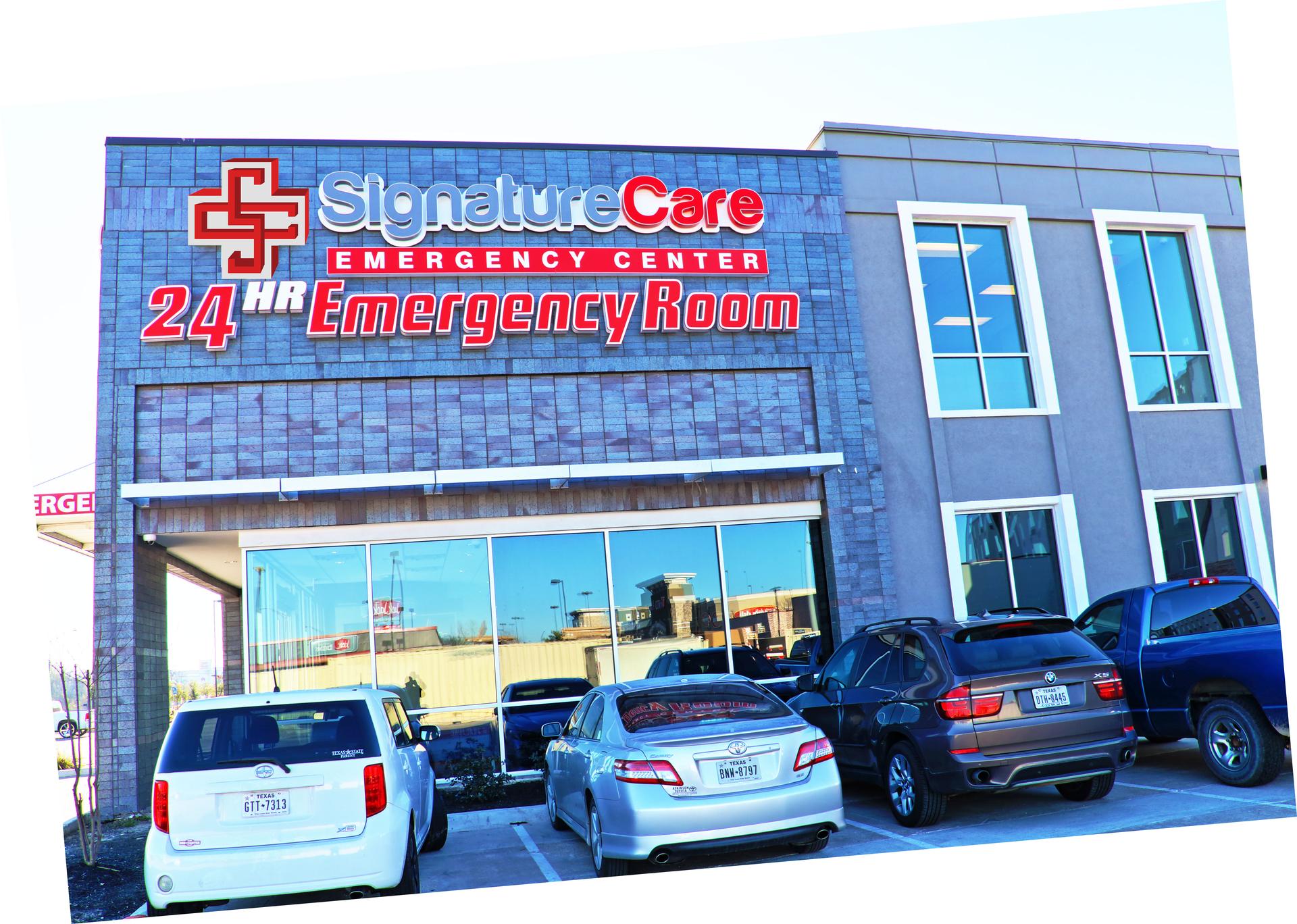
Our Emergency Room and Hospital Locations in Texas
The ER locations below are grouped by proximity. If appointment slots are not available at your preferred location, on your preferred date or time, please try the nearby location
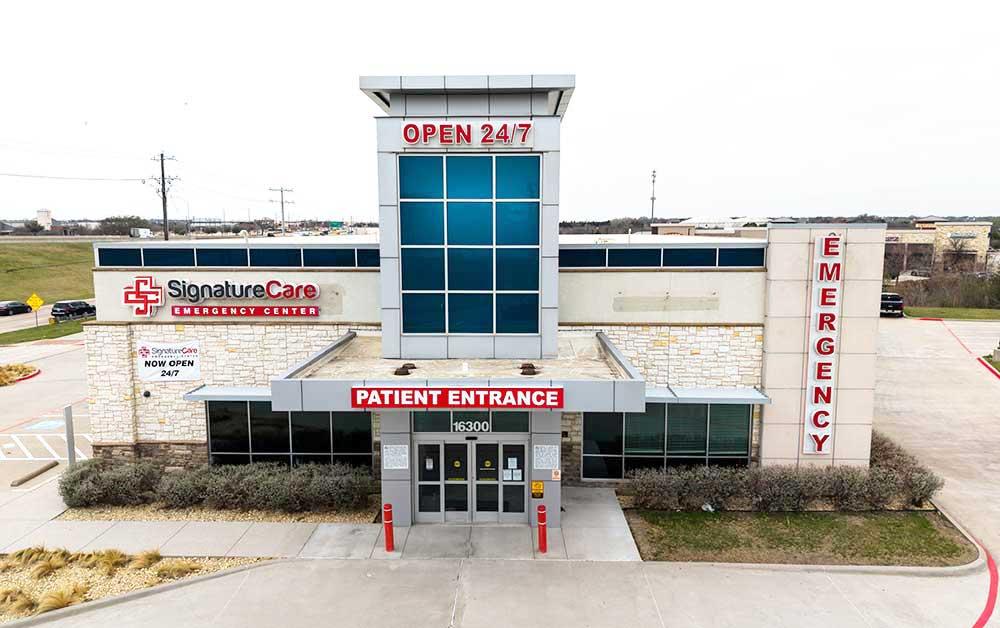
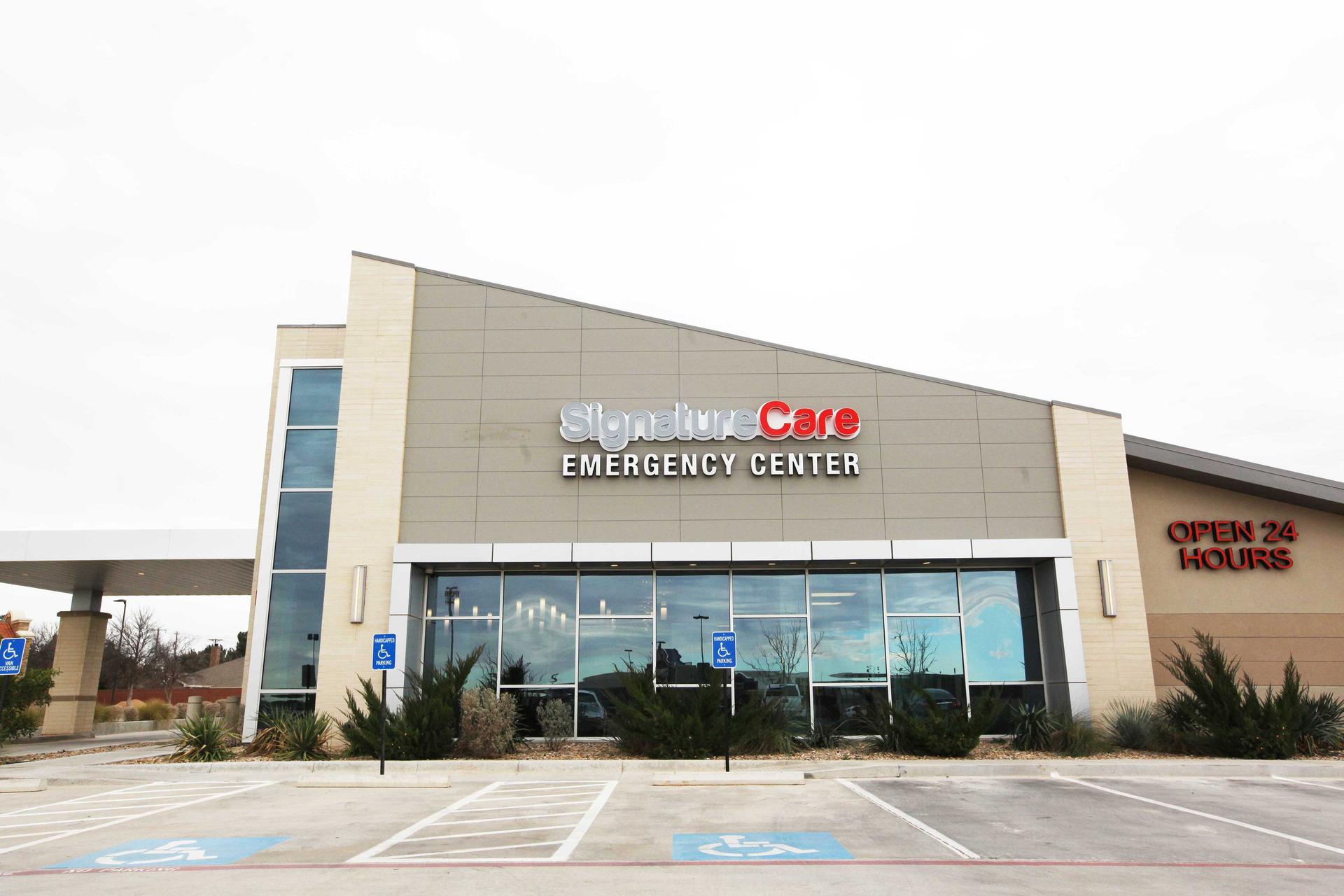
College Station, TX
College Station, 77840




Note: If you need immediate medical attention, DO NOT set up an appointment. go to the nearest emergency room or dial 911 from your phone immediately.
Why Should You Choose SignatureCare Emergency Center and Hospital?
When You Arrive at our Emergency Room
Walk in
A nurse greets you within minutes of your arrival
Quick triage
Your vitals taken and concerns addressed
See a doctor
Board-certified ER physician at your bedside. CT, X-ray or labs start immediately if needed
Treat & discharge
Clear plan, prescriptions sent to your pharmacy and a follow-up call the next day
Appendicitis Symptoms, Treatment, and Prevention
Within the first 24 hours of developing appendicitis, there is less risk of a rupture, but chances increase greatly after 48 hours.
For this reason, it’s important to recognize signs and symptoms of appendicitis and get emergency treatment as soon as possible.
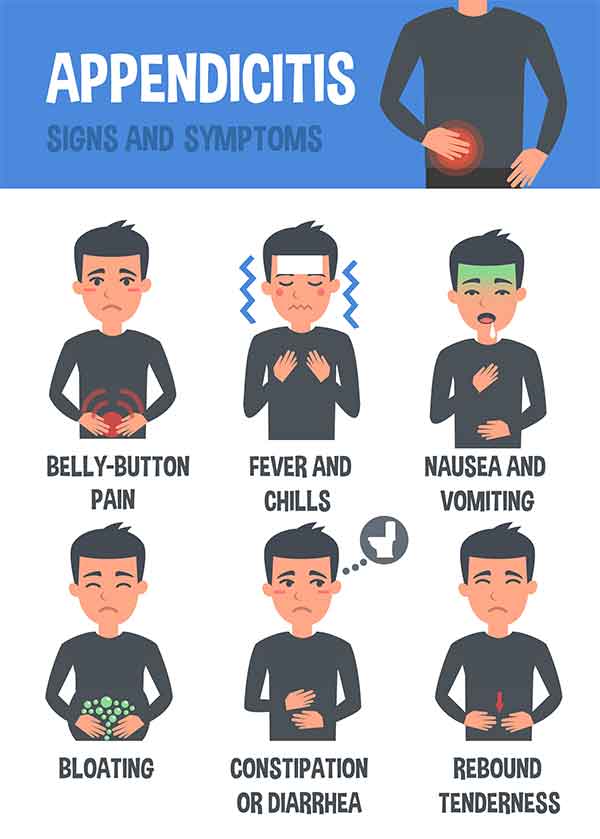
Symptoms of Appendicitis
Symptoms vary from person to person, so it’s important to recognize symptoms of appendicitis in adults, children, and pregnant women.
Adults, Children, and Pregnant Women
- Dull pain near the navel or the upper abdomen that becomes sharp as it moves to the lower right abdomen. This is usually the first sign.
- Loss of appetite
- Nausea
- Vomiting
- Abdominal swelling
- Fever of 99-102 degrees Fahrenheit
- Inability to pass gas
- Constipation or diarrhea
If you think you may have symptoms of appendicitis, visit the closest SignatureCare Emergency Center.
Diagnosing Appendicitis
- Physical exam
- CBC (complete blood count)
Other tests that may be performed to rule out similar conditions:
- Urinalysis– to rule out UTI or kidney issues
- Pelvic Exam– to rule out pelvic infections
- Pregnancy tests– to rule out ectopic pregnancy
- X-ray, ultrasound, or CT Scan– to rule out abesses
- or Chest X-ray– to rule out pneumonia
Treating Appendicitis
You’ll first have blood tests and probably a scan to check for kidney stones. An ultrasound or CT scan will help doctors see if the appendix has inflammation. If you need surgery, you will be given antibiotics beforehand that will help the body fight infection afterward
Can Appendicitis Be Prevented?
You can reduce your risk of developing appendicitis, but there is no way of completely preventing it. It’s thought that a diet high in fiber is a key element in risk reduction so increasing high fiber food intake would help:
High fiber foods include:
High fiber foods help because they keep the digestive system working well, managing constipation which can lead to a buildup of fecal matter, one of the main causes of blockage in the appendix.
If you experience appendicitis symptoms, always seek medical advice. It’s a dangerous condition, but easily and successfully cured once identified.